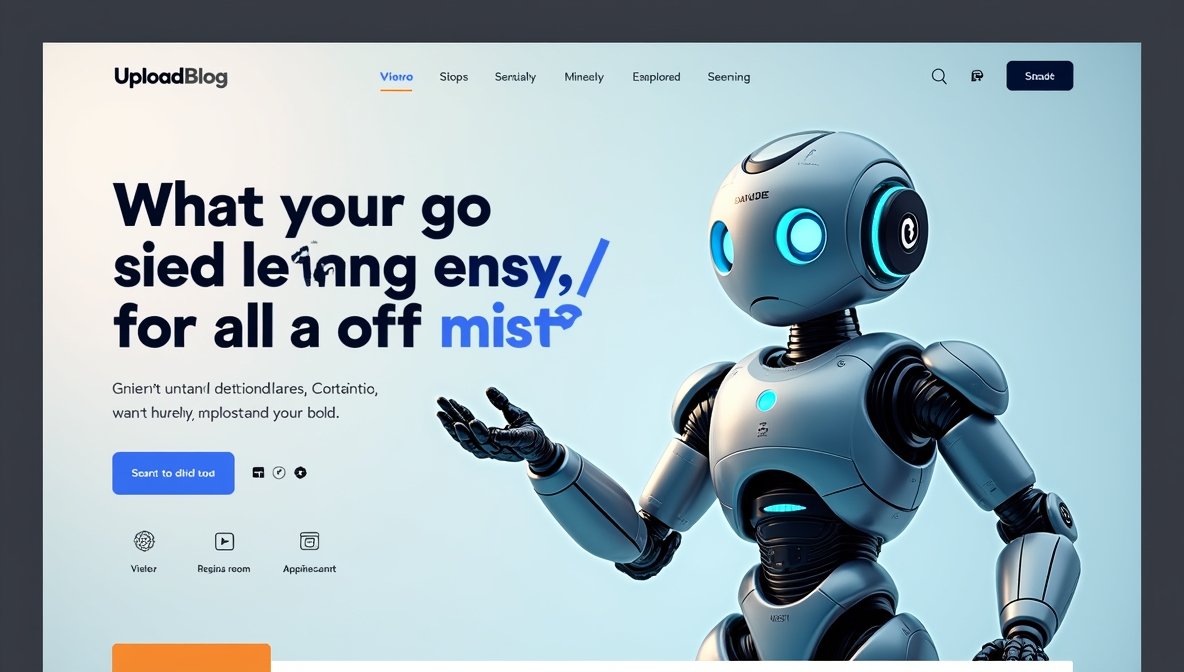
A blog’s homepage is often the first impression visitors have of a website. It sets expectations, communicates value, and guides users toward meaningful actions. A well-structured homepage helps readers understand what the blog offers within seconds. This article explains how the uploadblog homepage works as a central hub for content discovery, branding, and user engagement, and why optimizing it correctly is essential for long-term blog success.
A homepage is not just a list of posts—it is a strategic layout designed to attract, inform, and convert readers into regular visitors. Understanding its role helps bloggers grow faster and build authority.
What a Blog Homepage Really Represents
A homepage represents the identity and purpose of a blog. It communicates who the blog is for and what problems it solves.
First Impressions and User Psychology
Visitors decide whether to stay or leave within seconds. A clean design, clear messaging, and easy navigation build instant trust and reduce bounce rates.
Homepage as a Content Gateway
Rather than showing everything at once, smart blogs use structure to guide readers. Many bloggers design layouts inspired by the uploadblog homepage to make content discovery smooth and intuitive.
Core Elements Every Blog Homepage Needs
An effective homepage balances content, visuals, and navigation.
Header and Branding Area
The header includes the blog name, logo, how to uploadblog on linkedin by uploadblog .com and main menu. This area establishes brand identity and helps users navigate easily.
Featured Content Sections
Highlighting popular or recent posts helps new visitors quickly find valuable content. Strategic placement improves engagement and session duration.
Navigation Structure and User Flow
Navigation determines how easily users move through the blog.
Menu Design Best Practices
Menus should be simple and limited to essential categories. Overcrowded menus confuse users and reduce usability.
Internal Linking Strategy
Linking key articles from the homepage improves SEO and user retention. Many successful blogs model this structure after the uploadblog homepage to guide readers efficiently.
Homepage Content Strategy That Works
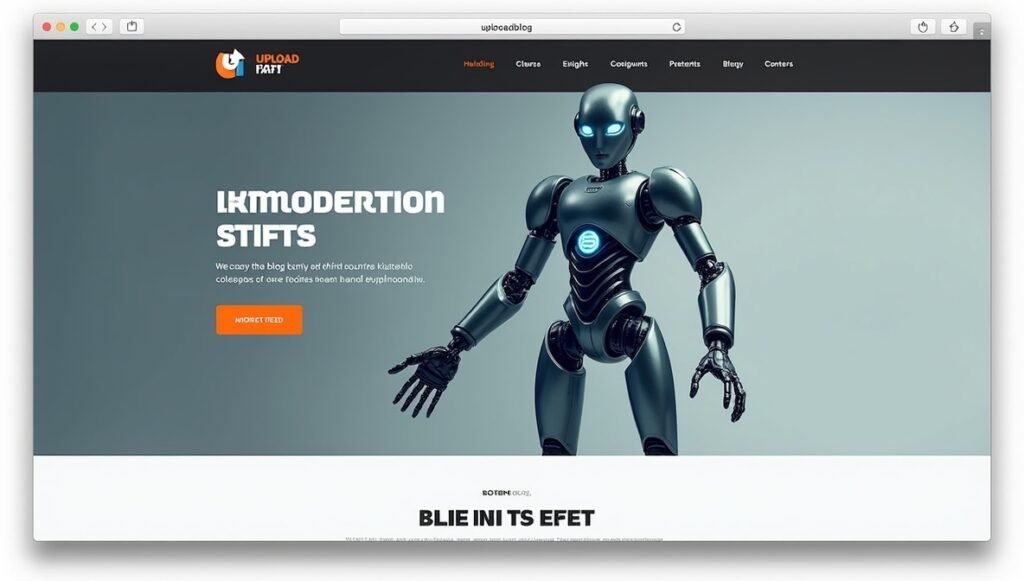
Content on the homepage should serve both readers and search engines.
Balancing Fresh and Evergreen Content
A mix of new posts and evergreen articles keeps the homepage relevant and valuable over time.
Using Short Summaries Effectively
Brief summaries help readers decide what to read without overwhelming them. Clear excerpts improve click-through rates.
Design and Visual Hierarchy
Design influences how users consume content.
Layout and White Space
Proper spacing improves readability and reduces visual fatigue. Clean layouts feel more professional and trustworthy.
Visual Consistency
Fonts, colors, and images should match the blog’s theme. Many creators follow patterns seen on the uploadblog homepage to maintain visual harmony.
SEO Optimization for a Blog Homepage
Search engines evaluate homepages differently from regular posts.
Homepage Meta Tags and Structure
Optimized titles, meta descriptions, and heading structure help search engines understand the site’s purpose.
Content Indexing and Crawlability
Clear internal links and fast loading times improve crawl efficiency. A well-optimized homepage strengthens overall site authority.
Performance and Mobile Optimization
Speed and responsiveness are critical ranking factors.
Page Speed and Core Web Vitals
Fast loading improves user satisfaction and SEO. Compressing images and minimizing scripts are essential.
Mobile-First Design
Most users browse on mobile devices. Many blogs adapt layouts similar to the uploadblog homepage to ensure smooth mobile experiences.
Building Trust and Credibility Through the Homepage
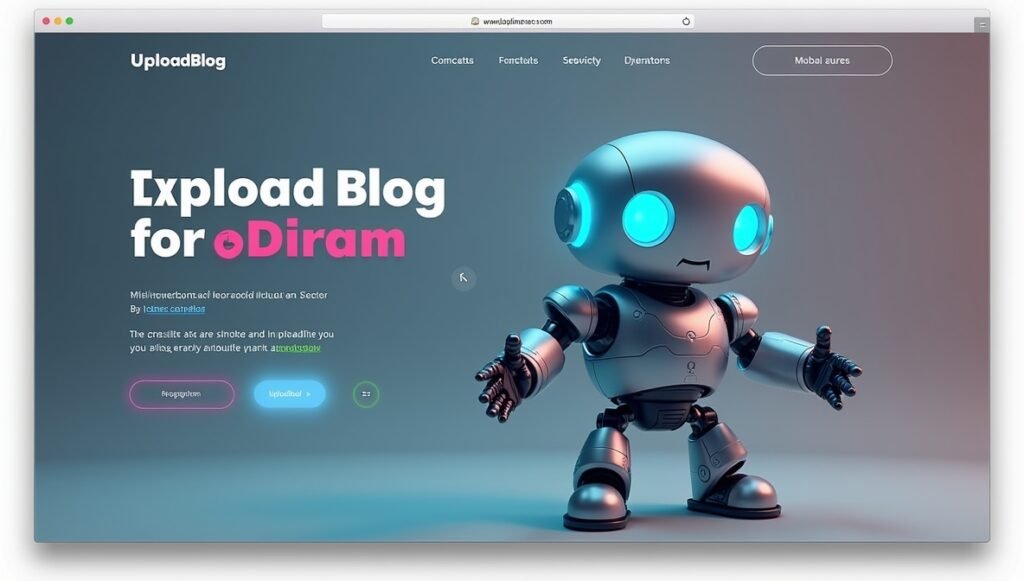
Trust signals encourage visitors to return.
Author Information and About Sections
Short introductions help humanize the blog and build credibility.
Social Proof and Engagement Signals
Displaying comments, shares, or featured mentions increases trust. Readers feel more confident engaging with established blogs.
Common Homepage Mistakes to Avoid
Avoiding errors improves performance and usability.
Overloading the Homepage
Too much content overwhelms users. Simplicity leads to better engagement.
Ignoring Analytics
Homepage performance should be reviewed regularly. Many bloggers refine layouts by analyzing behavior on the uploadblog homepage and adjusting accordingly.
How the Homepage Supports Long-Term Growth
The homepage plays a long-term strategic role.
Supporting Content Marketing Goals
It connects content, branding, and conversions into one cohesive experience.
Encouraging Repeat Visitors
Clear structure and updated content encourage users to return. A strong homepage creates loyalty and consistency.
FAQs People Are Searching For
What is the purpose of a blog homepage?
A blog homepage introduces the website, highlights important content, and helps visitors navigate easily while building trust and authority.
How often should a homepage be updated?
It should be updated regularly as new content is published or when design improvements are needed.
Does homepage design affect SEO?
Yes, layout, internal linking, speed, and mobile usability all influence search engine performance.
Should all blog posts appear on the homepage?
No, only selected posts should be featured to keep the homepage clean and focused.
Why do many bloggers study the uploadblog homepage?
Because it demonstrates structured layout, clear navigation, and effective content presentation.
Conclusion
A blog homepage is more than a landing page—it is the foundation of user experience, SEO, and brand identity. From layout and navigation to performance and trust signals, every element matters. By studying proven structures like the uploadblog homepage, bloggers can design homepages that attract readers, improve engagement, and support long-term growth.