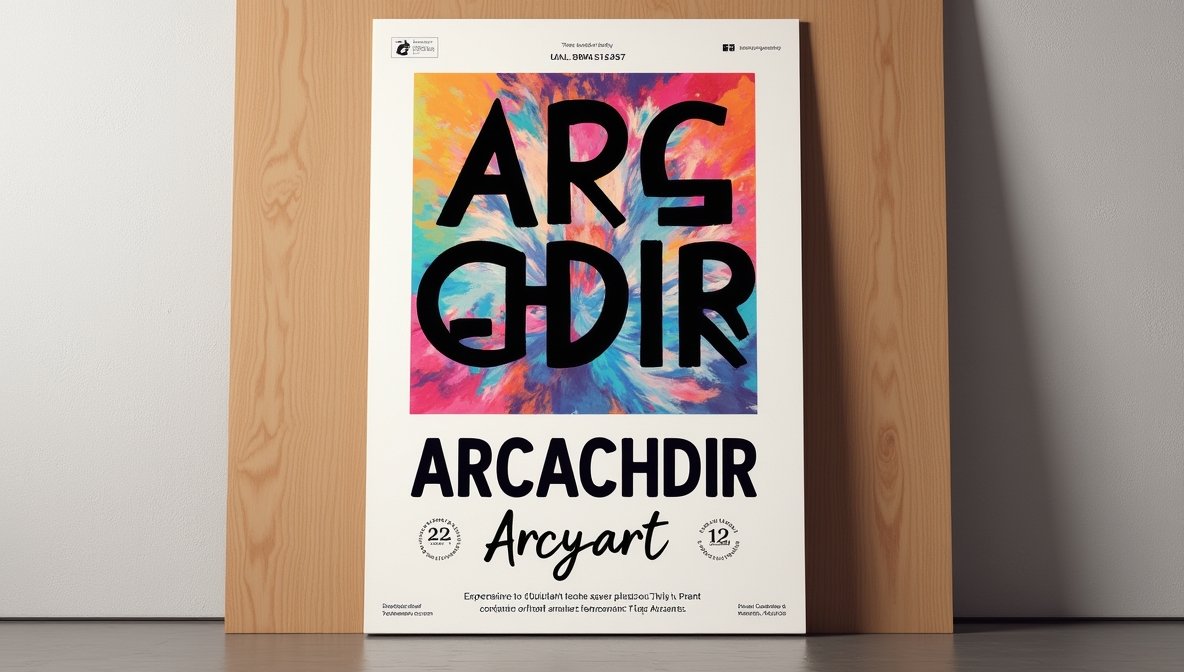
The contemporary art world thrives on innovation, dialogue, and the continual reimagining of visual language. In recent years, curated exhibitions have become vital spaces where artists experiment with form, color, and narrative, inviting audiences into immersive experiences that blur the line between observer and participant. Among these evolving platforms, the concept embodied in arcachdir exhibition paintings by arcyart has gained recognition for its distinctive synthesis of thematic storytelling and refined craftsmanship. Rather than presenting isolated artworks, this exhibition philosophy frames each painting as part of a broader visual conversation, encouraging viewers to reflect on interconnected ideas of identity, culture, and time. Through carefully structured layouts and cohesive artistic direction, the exhibition style emphasizes unity while still allowing individual pieces to stand on their own merit.
The Evolution of Exhibition-Centered Art
Historically, exhibitions were primarily seen as neutral spaces for display, designed to showcase finished works without influencing interpretation. Over time, however, curatorial practices shifted toward more narrative-driven approaches. Modern exhibitions often resemble curated journeys, where the placement of artworks, lighting, and even spatial design contribute to meaning. This transformation reflects a broader cultural movement toward experiential art, in which the audience is encouraged to engage emotionally and intellectually with what they see. The structure behind arcachdir exhibition paintings by arcyart mirrors this evolution by focusing on the relationship between works rather than treating each piece as an isolated creation.
The shift toward exhibition-centered storytelling also highlights the growing role of curators and artistic directors. Their task is no longer limited to arranging paintings but extends to crafting an atmosphere that enhances the emotional resonance of each piece. Such exhibitions become living environments, adapting to the reactions and interpretations of their audiences. In this context, the paintings are not just visual artifacts but participants in a larger narrative framework.
Artistic Philosophy and Creative Intent
At the core of this exhibition style lies a philosophy grounded in balance: balancing abstraction with realism, tradition with experimentation, and personal expression with collective meaning. Artists contributing to this format often approach their work with an awareness that each canvas will be viewed as part of a continuum. This awareness influences their use of recurring motifs, consistent color palettes, and thematic parallels. updates gmrrmulator
The philosophy behind arcachdir exhibition paintings by arcyart emphasizes the power of visual rhythm. Just as music relies on recurring notes and harmonies, these paintings rely on visual echoes—shapes, tones, or symbolic elements that reappear across multiple works. This technique fosters a sense of coherence, guiding viewers through the exhibition in a way that feels intentional rather than accidental. It also reinforces the idea that art can function as a language, with each painting serving as a sentence in a broader story.
Techniques and Materials
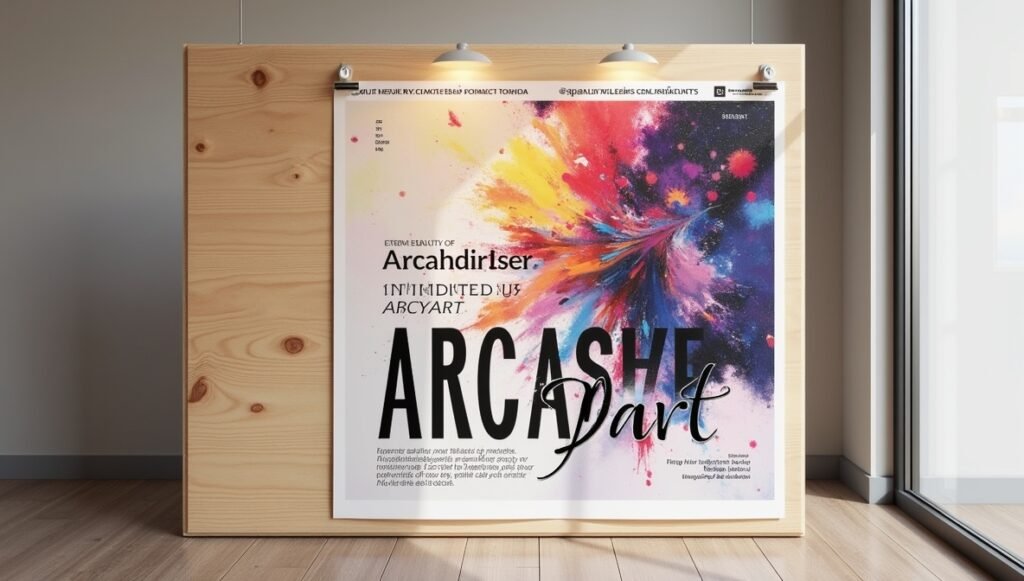
One of the defining features of this exhibition style is its embrace of diverse techniques and materials. Traditional oil and acrylic painting coexist with mixed media, digital elements, and textured surfaces. This fusion reflects a modern understanding of art as a multidisciplinary practice, where boundaries between mediums are fluid. Artists often layer materials to create depth, using contrasts between smooth and rough textures to evoke emotional complexity.
In arcachdir exhibition paintings by arcyart, technique is never purely decorative; it serves the thematic purpose of the work. Bold brushstrokes might suggest movement or unrest, while fine detailing can symbolize introspection or memory. The interplay between light and shadow is also central, often guiding the viewer’s gaze toward focal points that reveal subtle narrative clues. Through such methods, technique becomes a form of storytelling in its own right.
The Role of Color and Symbolism
Color plays a pivotal role in shaping the emotional landscape of these exhibitions. Warm hues are frequently associated with themes of nostalgia, community, or inner warmth, while cooler tones may signify distance, reflection, or ambiguity. Rather than using color merely for aesthetic harmony, artists employ it symbolically, aligning visual choices with conceptual intent.
Symbolism further deepens this approach. Common motifs—such as architectural forms, natural elements, or abstract human figures—recur across different canvases, creating visual links that encourage comparison and interpretation. In arcachdir exhibition paintings by arcyart, symbolism operates on multiple levels: it can reference personal experiences, cultural narratives, or universal emotions. This layered meaning invites viewers to bring their own perspectives, making each visit a unique interpretive experience.
Curatorial Design and Spatial Narrative
The physical arrangement of paintings within an exhibition space significantly influences how audiences perceive and understand the work. Strategic placement can suggest progression, contrast, or dialogue between pieces. For example, a sequence of paintings might depict an emotional journey, from tension to resolution, guiding viewers through an unspoken story.
In exhibitions inspired by arcachdir exhibition paintings by arcyart, spatial narrative is meticulously planned. Large-scale works may serve as visual anchors, while smaller pieces provide moments of intimacy. Lighting is used to highlight textures and colors, subtly directing attention without overwhelming the senses. The result is an environment that feels both structured and organic, encouraging exploration while maintaining thematic clarity.
Audience Engagement and Interpretation
One of the hallmarks of contemporary exhibition art is its emphasis on audience engagement. Rather than presenting fixed meanings, artists and curators often design exhibitions that invite personal interpretation. Viewers are encouraged to move slowly, reflect, and even question their assumptions about what they see.
Arcachdir exhibition paintings by arcyart exemplify this interactive philosophy by leaving space for ambiguity. Titles may hint at themes without providing definitive explanations, and visual narratives remain open-ended. This approach respects the intelligence and emotional capacity of the audience, allowing them to become co-creators of meaning. Over time, such engagement can foster deeper appreciation and long-term interest in the art form.
Cultural and Social Context
Art does not exist in isolation; it reflects the cultural and social environment in which it is created. The themes explored in these exhibitions often resonate with contemporary issues such as identity, migration, technological change, and environmental awareness. By embedding these concerns within visual narratives, artists transform abstract concepts into tangible experiences.
Within the framework of arcachdir exhibition paintings by arcyart, social commentary is often woven subtly into the imagery. Rather than presenting overt political statements, the paintings suggest connections between personal stories and collective realities. This subtlety encourages viewers to engage critically, drawing parallels between the exhibition and their own lives or communities.
Educational Value and Artistic Development
Exhibitions of this nature also serve as valuable educational tools. For emerging artists, they demonstrate how individual works can be unified into a cohesive whole. For students and scholars, they offer insights into contemporary artistic practices and curatorial strategies. Workshops, guided tours, and artist talks often accompany such exhibitions, expanding their impact beyond visual appreciation.
In the context of arcachdir exhibition paintings by arcyart, educational value lies in the integration of theory and practice. Observers can study how thematic consistency is achieved through visual means, gaining a deeper understanding of composition, symbolism, and narrative structure. This educational dimension strengthens the role of exhibitions as spaces for learning as well as enjoyment.
Influence on Modern Art Practices
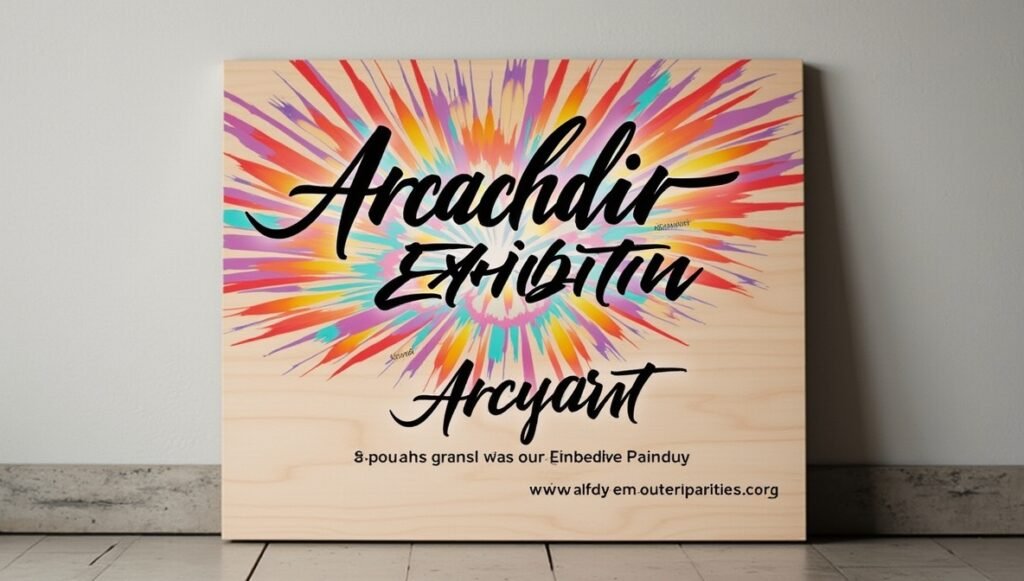
The success of narrative-driven exhibitions has influenced broader trends in modern art. Many artists now conceive projects with exhibition settings in mind, designing series of works rather than isolated pieces. This shift encourages long-term planning and thematic depth, moving away from purely spontaneous creation toward more deliberate artistic strategies.
Arcachdir exhibition paintings by arcyart have contributed to this trend by demonstrating how cohesion enhances impact. When paintings are presented as parts of a unified vision, their emotional and intellectual resonance increases. This influence extends to digital platforms as well, where virtual exhibitions replicate spatial narratives through curated online galleries.
Challenges and Future Directions
Despite their strengths, such exhibitions face challenges. Balancing individual creativity with thematic unity can be difficult, and there is always a risk of over-curation, where excessive structure limits artistic freedom. Financial and logistical constraints also affect the scope and accessibility of exhibitions, particularly for independent artists.
Looking ahead, the future of this exhibition style lies in adaptability. Integrating new technologies, such as interactive displays or augmented reality, could expand narrative possibilities. At the same time, maintaining the tactile and emotional qualities of painting will remain essential. The continued evolution of arcachdir exhibition paintings by arcyart will depend on artists’ ability to blend innovation with authenticity, ensuring that exhibitions remain meaningful and engaging.
Conclusion
The world of contemporary art continues to redefine itself through innovative exhibition formats that prioritize narrative, cohesion, and audience engagement. By uniting individual works within a larger conceptual framework, artists create experiences that transcend traditional gallery viewing. Arcachdir exhibition paintings by arcyart exemplify this approach, illustrating how thoughtful curation, symbolic depth, and technical mastery can transform a collection of paintings into a powerful visual story. As artistic practices evolve, such exhibitions will likely play an increasingly important role in shaping how art is created, presented, and understood. Through their blend of creativity and structure, they offer a compelling vision of what modern art can achieve when imagination meets intentional design.