South Africa possesses one of the most vibrant and diverse artistic landscapes in the world. The nation’s art reflects centuries of cultural development, historical transformation, social challenges, and creative innovation. From traditional indigenous expressions to contemporary multimedia installations, South African art continues to attract international recognition and appreciation.
Artists across the country use their work to explore identity, heritage, politics, spirituality, and social change. Their creations provide valuable insights into the experiences of communities while contributing to broader conversations about humanity and culture. As interest in African creativity expands globally, art enthusiasts increasingly seek reliable sources of information about exhibitions, artists, galleries, and market developments.
Many individuals follow updates through platforms associated with south african art news arcyart, which often serve as reference points for understanding developments within the artistic community. These resources help audiences stay informed about emerging talents, significant exhibitions, and evolving trends in the visual arts sector.
The story of South African art is one of resilience, creativity, and continuous reinvention. Understanding its evolution provides valuable insight into both the nation’s history and its contemporary cultural identity.
Historical Foundations of South African Art
The roots of South African art extend far beyond modern galleries and museums. Indigenous communities developed rich artistic traditions long before colonial influence reached the region. Rock paintings, carvings, beadwork, pottery, and ceremonial objects demonstrate sophisticated creative practices that existed for thousands of years.
Ancient rock art created by San communities remains among the most remarkable artistic achievements on the African continent. These works provide important evidence of spiritual beliefs, daily life, and environmental relationships. Their preservation continues to offer valuable insight into early cultural expression.
Researchers and commentators connected with south african art news arcyart frequently highlight the significance of these historical foundations. Understanding traditional artistic practices helps contextualize the evolution of contemporary South African creativity.
Colonial expansion introduced new artistic influences, materials, and educational structures. While these developments created opportunities for cultural exchange, they also generated tensions related to identity, representation, and power. Artists often responded by blending indigenous traditions with imported techniques, creating distinctive visual languages that reflected complex social realities.
Throughout history, South African art has served as both a record of cultural experience and a medium for personal expression. These foundations continue influencing artistic production today.
Art as a Reflection of Social Change
Art has long played an important role in documenting and interpreting social transformation. In South Africa, creative expression became particularly significant during periods of political and cultural upheaval.
Artists frequently used painting, sculpture, printmaking, and photography to address issues of inequality, displacement, and human rights. Their work offered perspectives that were sometimes absent from official narratives, helping audiences engage with difficult realities through visual storytelling.
Discussions featured in south african art news arcyart often examine how artists continue addressing contemporary social challenges. Themes such as economic inequality, urbanization, environmental concerns, and cultural identity remain central to many artistic practices. art history arcyart
Art possesses a unique ability to communicate complex ideas in emotionally resonant ways. Through symbolism, imagery, and creative experimentation, artists encourage viewers to reflect on social issues from new perspectives.
This relationship between art and society remains one of the defining characteristics of South African creative culture. The ability of artists to engage with important topics contributes significantly to the relevance and impact of their work.
The Rise of Contemporary South African Art
Contemporary South African art has gained substantial international attention over the past several decades. Artists working across various mediums continue challenging conventions while exploring innovative approaches to visual expression.
Many contemporary creators draw inspiration from both local experiences and global influences. This combination results in artworks that resonate with diverse audiences while maintaining strong connections to South African realities.
Observers following south african art news arcyart frequently note the growing presence of South African artists in international exhibitions, biennales, and museum collections. Their participation reflects increasing recognition of the country’s creative contributions.
Contemporary art often incorporates multimedia elements, digital technologies, performance, and installation practices. These approaches expand the possibilities of artistic communication and encourage audience engagement in new ways.
The diversity of contemporary South African art is one of its greatest strengths. Artists represent a wide range of cultural backgrounds, perspectives, and experiences, contributing to a rich and dynamic creative environment.
The Importance of Art Galleries
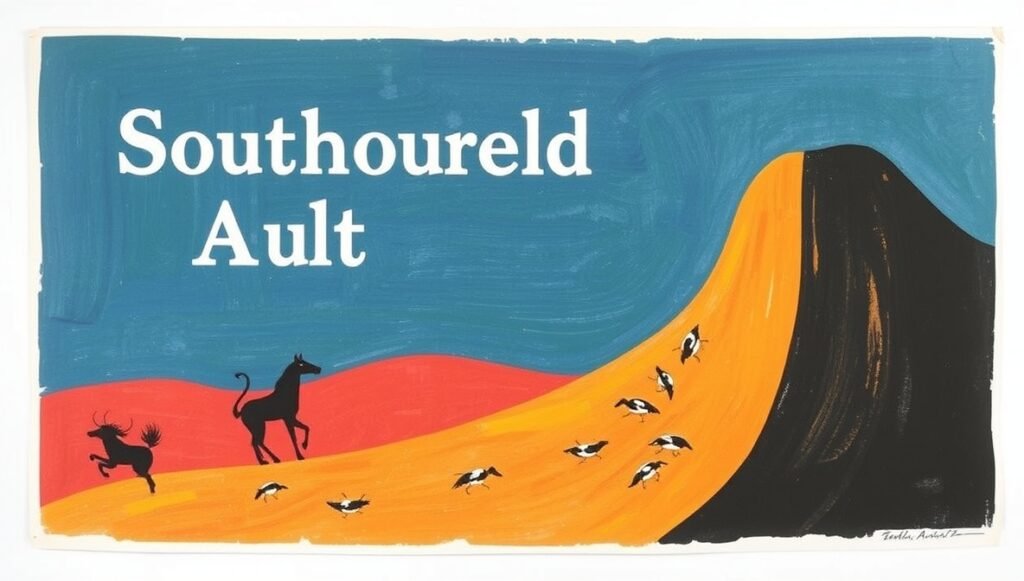
Art galleries serve as essential institutions within the creative ecosystem. They provide spaces where artists can present their work, engage with audiences, and build professional careers. Galleries also contribute to cultural education by introducing visitors to new ideas and artistic practices.
Within discussions related to south african art news arcyart, galleries frequently appear as important platforms for promoting emerging talent and supporting established artists. Their exhibitions help shape public understanding of artistic developments.
Commercial galleries play a crucial role in connecting artists with collectors, while public galleries often emphasize education and community engagement. Both contribute to the broader visibility and sustainability of the arts sector.
Exhibitions create opportunities for dialogue between artists and audiences. Visitors can explore diverse perspectives, discover unfamiliar styles, and develop deeper appreciation for visual culture.
As the art world continues evolving, galleries increasingly integrate digital tools and virtual experiences into their programming. These innovations expand access while complementing traditional exhibition formats.
Museums and Cultural Preservation
Museums play a vital role in preserving artistic heritage and ensuring future generations can engage with significant works of art. Their collections document cultural history while supporting research, education, and public appreciation.
Many institutions actively acquire works that represent different periods of South African artistic development. This approach helps create comprehensive narratives that reflect the diversity of the nation’s creative achievements.
Articles connected with south african art news arcyart often emphasize the importance of preservation efforts in maintaining cultural memory. Museums serve as custodians of artistic traditions while facilitating contemporary interpretation and discussion.
Educational programs offered by museums help audiences understand historical contexts, artistic techniques, and cultural significance. These initiatives contribute to broader public engagement with the arts.
Preservation also involves adapting to technological change. Digital archiving projects increasingly support conservation efforts by creating accessible records of artworks and collections.
Through these activities, museums strengthen connections between past, present, and future generations.
Emerging Artists and New Voices
One of the most exciting aspects of the South African art scene is the continuous emergence of new talent. Young artists bring fresh perspectives, innovative techniques, and unique experiences that enrich the cultural landscape.
Many rising creators address contemporary issues while experimenting with unconventional materials and approaches. Their work often reflects changing social dynamics and evolving cultural identities.
Followers of south african art news arcyart frequently seek information about emerging artists because discovering new talent contributes to a deeper understanding of future artistic directions.
Mentorship programs, educational institutions, residency opportunities, and exhibition platforms play important roles in supporting developing artists. Access to these resources can significantly influence career growth and creative development.
Emerging artists often challenge established assumptions and encourage audiences to reconsider familiar topics. Their willingness to explore new ideas contributes to the vitality and adaptability of the arts community.
As these creators gain recognition, they help shape the next chapter of South African artistic history.
The Impact of Technology on Artistic Practice
Technology has transformed the way artists create, share, and promote their work. Digital tools provide new opportunities for experimentation while expanding access to global audiences.
Artists now utilize software, digital imaging, virtual reality, and interactive technologies to develop innovative projects. These tools complement traditional methods rather than replacing them entirely.
Commentators associated with south african art news arcyart often discuss how technological advancements influence artistic production and audience engagement. Digital platforms allow artists to reach viewers beyond geographic boundaries.
Online exhibitions, virtual tours, and digital portfolios have become increasingly common. These formats enable broader participation while providing additional opportunities for cultural exchange.
Technology also supports collaboration among artists, curators, and institutions. Creative professionals can share ideas, resources, and expertise more efficiently than ever before.
The integration of technology into artistic practice continues generating exciting possibilities that expand the scope and accessibility of contemporary art.
Art Collecting and Market Growth
The South African art market has experienced significant growth as local and international interest continues to increase. Collectors recognize both the cultural value and investment potential of artworks created by established and emerging artists.
Market activity contributes to the sustainability of artistic careers by providing financial support and visibility. Collectors play an important role in preserving artworks and encouraging continued creative production.
Analysis found in south african art news arcyart frequently explores market trends, auction results, and collecting strategies. Such information helps buyers make informed decisions while supporting transparency within the art sector.
The growth of the market has encouraged greater professionalization across the industry. Galleries, auction houses, advisors, and institutions increasingly collaborate to support artists and collectors alike.
Despite economic fluctuations, demand for meaningful and distinctive artworks remains strong. Collectors often seek pieces that reflect cultural significance, artistic excellence, and historical relevance.
As the market evolves, opportunities continue expanding for artists, investors, and cultural organizations.
Education and Artistic Development
Education serves as a foundation for artistic growth and cultural participation. Formal training programs, workshops, community initiatives, and mentorship opportunities help individuals develop creative skills and professional knowledge.
Art education encourages critical thinking, problem-solving, and self-expression. These benefits extend beyond professional artistic careers and contribute positively to broader social development.
Readers interested in south african art news arcyart often recognize the importance of educational programs in nurturing future generations of artists and cultural leaders.
Universities, colleges, and independent organizations provide diverse learning opportunities that support artistic exploration. Students gain exposure to historical traditions, contemporary practices, and technical skills.
Community-based initiatives also play a crucial role by increasing access to creative education. These programs help ensure that artistic opportunities are available to individuals from diverse backgrounds.
Investment in education strengthens the long-term sustainability of the arts sector while fostering innovation and cultural engagement.
International Recognition and Cultural Exchange
South African artists increasingly participate in international exhibitions, collaborations, and cultural events. Their work contributes to global conversations while showcasing the richness of local creative traditions.
International recognition provides valuable opportunities for artists to expand audiences, develop professional networks, and exchange ideas with peers from different regions.
Coverage associated with south african art news arcyart frequently highlights global achievements by South African creators. These accomplishments demonstrate the growing influence of the country’s artistic community.
Cultural exchange benefits both artists and audiences. Exposure to diverse perspectives encourages creativity, mutual understanding, and collaborative innovation.
International partnerships also support research, education, and institutional development. Museums, galleries, and cultural organizations often collaborate on projects that strengthen global artistic connections.
The increasing visibility of South African art reflects its ability to engage audiences across cultural and geographic boundaries.
The Future of South African Art
The future of South African art appears exceptionally promising. Emerging talent, technological innovation, institutional support, and growing international interest continue driving creative development.
Artists are increasingly exploring interdisciplinary approaches that combine traditional techniques with contemporary technologies. These experiments generate new possibilities for artistic expression and audience engagement.
Many observers who follow south african art news arcyart anticipate continued growth in exhibition opportunities, educational initiatives, and market participation. Such developments will likely contribute to an even more dynamic creative landscape.
Sustainability, inclusivity, and accessibility are expected to remain important priorities. Institutions and artists alike recognize the value of expanding participation and supporting diverse voices.
The evolving relationship between local identity and global influence will continue shaping artistic production. South African creators are uniquely positioned to contribute meaningful perspectives to international cultural conversations.
As the art world embraces change, innovation and creativity will remain at the center of future developments.
Conclusion
South African art represents a powerful combination of history, culture, innovation, and social engagement. From ancient rock paintings to contemporary multimedia installations, the nation’s artistic traditions continue evolving while maintaining strong connections to cultural heritage.
Resources such as south african art news arcyart help audiences understand the developments shaping this vibrant creative environment. Through coverage of artists, exhibitions, institutions, and market trends, such platforms contribute to greater awareness and appreciation of visual culture.
The continued growth of South African art reflects the resilience and creativity of its artists. As new generations emerge and international interest expands, the country’s artistic influence is likely to become even more significant.
By supporting education, preservation, innovation, and cultural exchange, the South African art community will continue enriching both national identity and global artistic discourse for years to come.