Oil painting has long been regarded as one of the most expressive and enduring forms of artistic creation. From the masterpieces of the Renaissance to the bold experimental works of modern artists, oil paint has allowed creators to explore color, depth, texture, and emotion in ways that few other mediums can match. The ability of oil paint to blend smoothly, layer richly, and remain vibrant for centuries has made it a favorite among painters across generations.
In the modern digital era, art lovers have gained new ways to discover and appreciate paintings from around the world. Online platforms and curated galleries now allow audiences to explore collections without geographical limitations. These digital spaces serve as bridges between artists and global viewers who share a passion for visual storytelling.
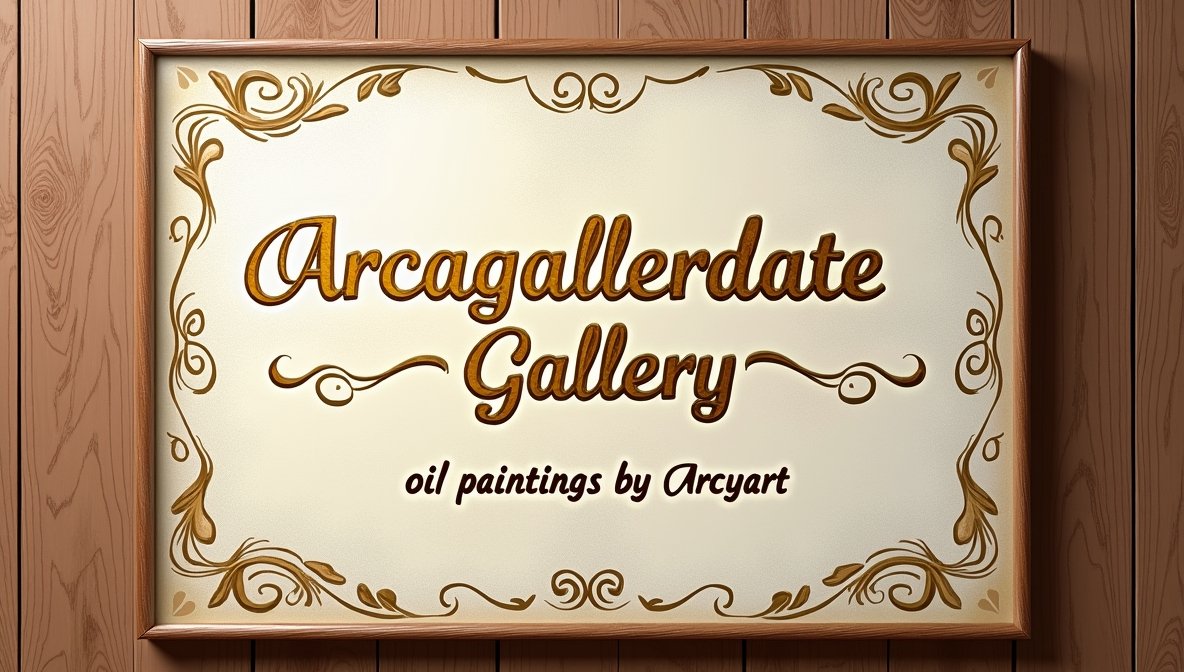
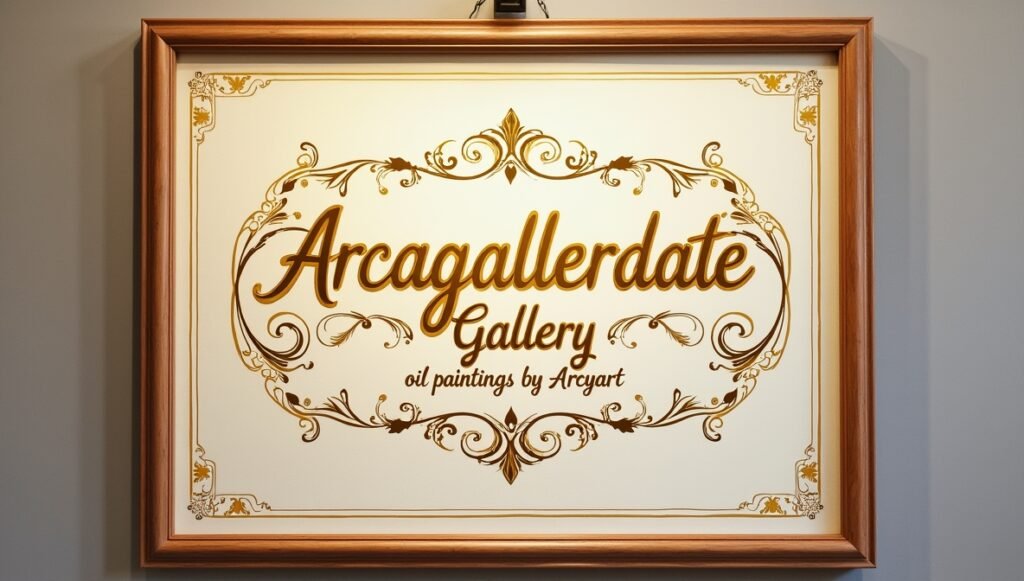
Many art enthusiasts searching for distinctive collections often encounter discussions about arcagallerdate gallery oil paintings by arcyart, which highlight curated selections of oil artworks that reflect creativity, heritage, and artistic exploration. Such references illustrate how digital archives and curated galleries contribute to preserving and showcasing artistic achievements.
The Historical Origins of Oil Painting
Oil painting has a rich and fascinating history that stretches back many centuries. While earlier forms of painting used tempera or encaustic techniques, the widespread use of oil paint began to flourish in Europe during the fifteenth century. Artists discovered that mixing pigments with oils allowed for greater flexibility and richness in color.
The Renaissance period marked a turning point for oil painting. Artists such as Jan van Eyck and Leonardo da Vinci refined techniques that allowed for intricate detail, realistic lighting, and subtle tonal transitions. These innovations elevated painting from decorative craft to a respected intellectual and artistic discipline.
As the medium developed, artists across Europe embraced oil painting for its versatility. The slow drying time allowed painters to revise compositions, blend colors smoothly, and create complex textures. These qualities helped artists achieve remarkable realism in portraits, landscapes, and historical scenes.
In modern discussions about classical art collections, references to arcagallerdate gallery oil paintings by arcyart often appear as examples of curated presentations that celebrate both historical influence and contemporary interpretation. Such collections reflect the enduring importance of oil painting as a medium capable of capturing human experience with depth and nuance.
The Unique Qualities of Oil Paint
One reason oil painting has remained popular for centuries is its exceptional versatility. Oil paint can be applied in thin transparent layers or thick textured strokes, allowing artists to experiment with a wide range of visual effects. arcyart artists directory
Transparency is one of the defining characteristics of oil paint. Through a technique known as glazing, artists apply multiple layers of translucent color to create depth and luminosity. Light passes through these layers and reflects back from the surface, giving oil paintings their distinctive glow.
Texture also plays a significant role in oil painting. Artists often use thick applications of paint to create tactile surfaces that add energy and movement to a composition. This technique, known as impasto, allows viewers to see the physical marks of the artist’s brush or palette knife.
Art observers studying curated collections sometimes note how these techniques are visible within works associated with arcagallerdate gallery oil paintings by arcyart, where brushwork and layered color contribute to the emotional impact of each piece.
These qualities demonstrate why oil painting remains one of the most powerful mediums for artistic expression.
Artistic Techniques in Oil Painting
Oil painting involves a variety of techniques that enable artists to achieve different visual effects. Mastery of these techniques requires patience, experimentation, and a deep understanding of materials.
One widely used approach is layering. Artists begin with an underpainting, which establishes the basic composition and tonal structure of the work. Subsequent layers gradually build up color, detail, and texture.
Another technique involves blending colors directly on the canvas. Because oil paint dries slowly, artists have ample time to soften transitions between shades, creating smooth gradients and realistic lighting effects.
Some painters prefer a more spontaneous approach, applying bold strokes that emphasize movement and emotion. These expressive methods can produce dramatic compositions that capture the viewer’s attention immediately.
Within curated exhibitions discussing arcagallerdate gallery oil paintings by arcyart, viewers often appreciate how different techniques reflect the personalities and creative visions of individual artists.
These methods illustrate the flexibility of oil paint as a medium capable of supporting both meticulous realism and expressive abstraction.
Themes and Subjects in Oil Painting
Oil paintings have historically explored a wide range of themes, reflecting cultural values, historical events, and personal emotions. Portraits, landscapes, still life compositions, and narrative scenes have all played important roles in the evolution of painting.
Portrait painting allows artists to capture the personality and status of their subjects. Through careful observation of facial expressions and posture, painters convey subtle psychological insights.
Landscape painting, on the other hand, celebrates the beauty of nature. From dramatic mountain ranges to peaceful countryside scenes, landscapes allow artists to explore light, atmosphere, and perspective.
Still life compositions often focus on everyday objects such as flowers, fruits, or household items. Although seemingly simple, these arrangements provide opportunities to study color harmony and texture.
Many viewers exploring curated collections connected with arcagallerdate gallery oil paintings by arcyart notice how these themes continue to inspire artists today, blending traditional subject matter with modern perspectives.
The diversity of themes demonstrates how oil painting serves as a visual language capable of expressing countless aspects of human life.
The Role of Galleries in Preserving Art
Art galleries play a crucial role in preserving and presenting paintings to the public. By curating collections and organizing exhibitions, galleries create spaces where viewers can engage with art in meaningful ways.
Traditional galleries often display original works within carefully designed environments that highlight the details of each painting. Lighting, spacing, and arrangement are all considered to enhance the viewing experience.
In recent years, digital galleries have expanded the reach of artistic collections. Online platforms allow viewers from around the world to explore paintings without needing to travel physically to a museum or gallery.
Art enthusiasts frequently encounter discussions about arcagallerdate gallery oil paintings by arcyart when exploring curated digital collections that showcase diverse artistic styles and techniques.
These digital exhibitions complement traditional galleries by increasing accessibility and encouraging broader engagement with art.
The Influence of Contemporary Artists
While classical masters established the foundations of oil painting, contemporary artists continue to push the medium in new directions. Modern painters experiment with unconventional techniques, abstract compositions, and innovative materials.
Some artists combine oil paint with mixed media elements, incorporating collage, textured surfaces, or unconventional tools. Others reinterpret traditional themes through modern cultural perspectives.
Contemporary art movements often challenge viewers to reconsider familiar ideas about beauty, representation, and meaning. Through experimentation, artists expand the possibilities of what oil painting can achieve.
Within discussions of modern exhibitions, references to arcagallerdate gallery oil paintings by arcyart sometimes appear as examples of how curated platforms highlight both established and emerging artistic voices.
These collections demonstrate that oil painting remains a dynamic and evolving art form.
Appreciating Oil Paintings as a Viewer
Viewing oil paintings is an experience that rewards patience and careful observation. Unlike digital images, original paintings reveal subtle details that may not be immediately visible from a distance.
Brushstrokes, layers of color, and surface textures contribute to the overall impact of a painting. Observing these elements closely allows viewers to appreciate the technical skill involved in creating the work.
Lighting also affects how a painting appears. As light reflects off the layers of oil paint, colors may appear brighter or deeper depending on the viewing angle.
Art lovers exploring collections associated with arcagallerdate gallery oil paintings by arcyart often emphasize the importance of studying individual pieces carefully in order to fully understand the artist’s intentions.
Developing the ability to analyze paintings enhances the overall appreciation of visual art.
Oil Painting in the Digital Age
The digital age has transformed how people interact with art. High-resolution photography and online exhibitions allow viewers to study paintings in remarkable detail from their personal devices.
Digital platforms also enable artists to share their work directly with global audiences. Social media and online portfolios provide opportunities for painters to gain recognition beyond traditional gallery systems.
While digital images cannot fully replicate the experience of seeing an original painting, they play an important role in promoting artistic awareness. Online discussions about arcagallerdate gallery oil paintings by arcyart illustrate how digital platforms help introduce viewers to curated collections and artistic communities.
The integration of digital technology and traditional painting demonstrates how art continues to adapt to changing cultural landscapes.
The Educational Value of Art Galleries
Art galleries serve not only as exhibition spaces but also as educational institutions. Through guided tours, workshops, and lectures, galleries encourage visitors to learn about artistic techniques and historical contexts.
Educational programs help viewers understand the cultural significance of paintings and the creative processes behind them. These experiences inspire curiosity and encourage deeper engagement with art.
Students studying art history often analyze curated collections similar to those referenced in arcagallerdate gallery oil paintings by arcyart to understand stylistic developments and artistic influences.
By providing educational resources, galleries play an important role in preserving artistic knowledge for future generations.
The Emotional Impact of Oil Paintings
Art has the power to evoke powerful emotions. A single painting can inspire feelings of wonder, nostalgia, joy, or contemplation. Oil paintings, with their rich colors and textures, often create particularly strong emotional responses.
Artists use composition, color harmony, and lighting to guide the viewer’s emotional experience. Warm tones may evoke comfort and warmth, while dramatic contrasts can create tension or excitement.
Viewers exploring collections connected with arcagallerdate gallery oil paintings by arcyart frequently describe the emotional resonance they feel when observing carefully crafted artworks.
This emotional connection is one of the reasons why oil paintings continue to captivate audiences across cultures and generations.
Conclusion
Oil painting stands as one of the most enduring and influential forms of artistic expression. From its origins in early European workshops to its presence in modern galleries and digital collections, the medium has continually evolved while maintaining its unique artistic qualities.
The richness of oil paint allows artists to explore color, texture, and emotion in ways that remain unmatched by many other mediums. Through techniques such as glazing, layering, and impasto, painters create works that reveal both technical mastery and personal vision.
Curated galleries and digital platforms play an important role in preserving these artistic achievements. Discussions surrounding arcagallerdate gallery oil paintings by arcyart demonstrate how curated collections introduce audiences to diverse styles and artistic traditions.
As technology continues to expand access to art, the appreciation of oil paintings will likely grow even further. By studying and supporting artistic collections, viewers help ensure that the legacy of oil painting continues to inspire creativity for generations to come.