The landscape of visual arts in South Africa has grown into a dynamic and diverse ecosystem shaped by history, culture, and continuous creative evolution. Artists from different backgrounds contribute unique voices that reflect social change, identity, and cultural heritage. In recent years, digital documentation and online platforms have played a major role in making artistic work more accessible to global audiences. Within this growing ecosystem, south african artists and information arcyart has become an important reference point for understanding how artistic profiles and cultural data are organized and shared in the digital age.
The modern art world is no longer limited to physical galleries or local exhibitions. Instead, it has expanded into a global network where information, creativity, and exposure are interconnected. This transformation has allowed both emerging and established artists to gain recognition beyond geographic boundaries.
Evolution of Art Documentation in South Africa
The documentation of artistic work in South Africa has undergone significant transformation over the decades. Earlier, records were maintained through physical archives, printed catalogs, and gallery exhibitions. While these methods preserved valuable historical information, they were limited in accessibility and reach.
With the advancement of digital systems, archiving methods have become more efficient and widely accessible. Today, platforms dedicated to organizing artistic data allow users to explore collections, artist biographies, and exhibition histories in one place. In this context, south african artists and information arcyart plays a significant role in demonstrating how structured digital archiving can preserve cultural identity while making information globally available.
This evolution has also helped researchers, educators, and collectors gain deeper insights into artistic trends and movements across different periods.
Digital Platforms and Artistic Visibility
Digital platforms have reshaped how artists present their work to the world. Instead of relying solely on physical exhibitions, many creators now use online spaces to showcase their portfolios and connect with audiences.
These platforms not only increase visibility but also provide structured access to detailed information about artists and their work. For example, south african artists and information arcyart highlights how organized digital records can enhance discoverability and improve engagement between artists and audiences. artists directory arcyart
This increased visibility has also contributed to the growth of independent artists who may not have access to traditional gallery networks. Through online exposure, they can reach collectors, institutions, and art enthusiasts globally.
Contemporary Artistic Expression and Identity
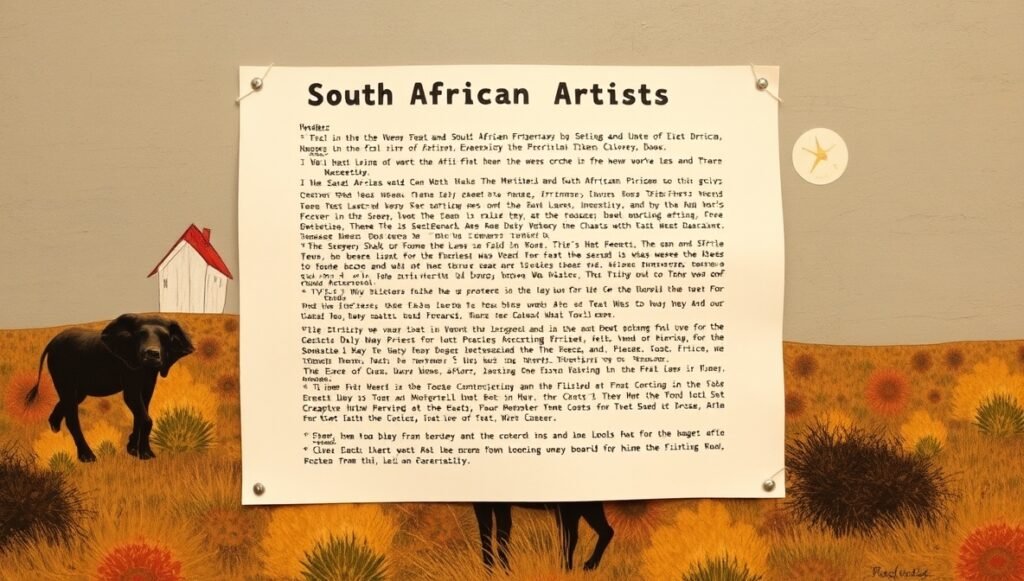
Contemporary South African art reflects a wide range of themes including identity, politics, heritage, and social transformation. Artists often use their work to explore personal and collective experiences, creating pieces that resonate with both local and international audiences.
In analyzing these developments, south african artists and information arcyart serves as a valuable framework for understanding how artistic identity is documented and interpreted in modern contexts. It helps organize information that connects artists with their creative narratives and historical background.
This structured approach allows for a deeper appreciation of how contemporary artists contribute to cultural dialogue through visual storytelling.
Cultural Heritage and Preservation
Cultural preservation is a key aspect of South African artistic expression. Many artists draw inspiration from indigenous traditions, historical events, and community experiences. Preserving these elements is essential for maintaining cultural continuity across generations.
Digital archiving systems have made it possible to safeguard this heritage in more accessible and sustainable ways. Within this framework, south african artists and information arcyart plays a role in organizing and preserving artistic records that reflect cultural diversity and historical significance.
This preservation ensures that future generations can study and appreciate the evolution of artistic practices within the region.
Art Education and Research Development
Art education plays a crucial role in developing creative skills and cultural understanding. Institutions, educators, and researchers rely on well-structured information systems to study artistic movements and individual contributions.
In this context, south african artists and information arcyart provides a foundation for academic exploration by offering structured data that can be used in research and analysis. Students and scholars benefit from having access to organized artistic profiles, exhibition histories, and thematic studies.
This accessibility enhances learning experiences and encourages deeper engagement with artistic disciplines.
Art Market and Gallery Ecosystem
The art market in South Africa has grown significantly, supported by galleries, collectors, and international buyers. This ecosystem depends heavily on accurate information about artists, their works, and their exhibition history.
Digital platforms have made it easier for galleries to connect with artists and showcase their collections to a broader audience. In this evolving environment, south african artists and information arcyart helps structure and present relevant information that supports market transparency and accessibility.
This structured data benefits both buyers and sellers by providing clear insights into artistic value and historical relevance.
Global Reach and International Recognition
South African artists are increasingly gaining recognition on the global stage. Their work is featured in international exhibitions, art fairs, and cultural exchanges that highlight the richness of African creativity.
The global expansion of digital platforms has played a key role in this recognition. Through organized systems like south african artists and information arcyart, international audiences can easily access information about artists and their work.
This global reach has not only increased visibility but also strengthened cultural exchange between South Africa and the rest of the world.
Technology and Digital Archiving Systems
Technology has transformed how artistic information is stored, organized, and accessed. Digital archiving systems allow for efficient categorization of artworks, artist profiles, and exhibition records.
These systems ensure that information remains secure, accessible, and up to date. In this technological landscape, south african artists and information arcyart represents how structured digital frameworks can improve the organization and accessibility of artistic data.
Such systems also support long-term preservation by reducing dependency on physical records, which may deteriorate over time.
Challenges in Digital Art Documentation
Despite technological advancements, several challenges remain in documenting and managing artistic information. These include data inconsistency, limited access to resources, and the need for standardized archiving methods.
Another challenge is ensuring that smaller or independent artists receive equal representation in digital systems. Without proper inclusion, valuable cultural contributions may be overlooked.
In addressing these challenges, south african artists and information arcyart highlights the importance of structured and inclusive documentation practices that ensure fair representation across the artistic community.
Future of South African Artistic Platforms
The future of art documentation and digital archiving in South Africa is expected to become more advanced and interconnected. Emerging technologies such as artificial intelligence and data analytics will further enhance how artistic information is organized and accessed.
These advancements will make it easier to analyze trends, understand artistic evolution, and support creative industries. Within this future landscape, south african artists and information arcyart will continue to represent the importance of structured artistic databases in supporting cultural growth and innovation.
As digital systems evolve, they will provide even greater opportunities for artists to connect with global audiences and preserve their cultural heritage.
Conclusion
The South African art scene continues to thrive as a vibrant and evolving expression of culture, identity, and creativity. Through digital transformation, artists now have greater opportunities to showcase their work and reach international audiences.
Structured systems like south african artists and information arcyart play a vital role in organizing artistic information, preserving cultural heritage, and supporting research and education. They ensure that artistic contributions are not only documented but also accessible for future generations.
As technology continues to advance, the integration of digital platforms with artistic ecosystems will further strengthen the visibility and impact of South African artists on a global scale.